



Amazon Blocks Muse, Walmart Signs On & The Power of 2nd Place
Amazon cut Muse off from shopping Amazon.com, telling users: “Continued access by an unauthorized AI agent violates Amazon’s Conditions of Use, to which our customers have agreed.”
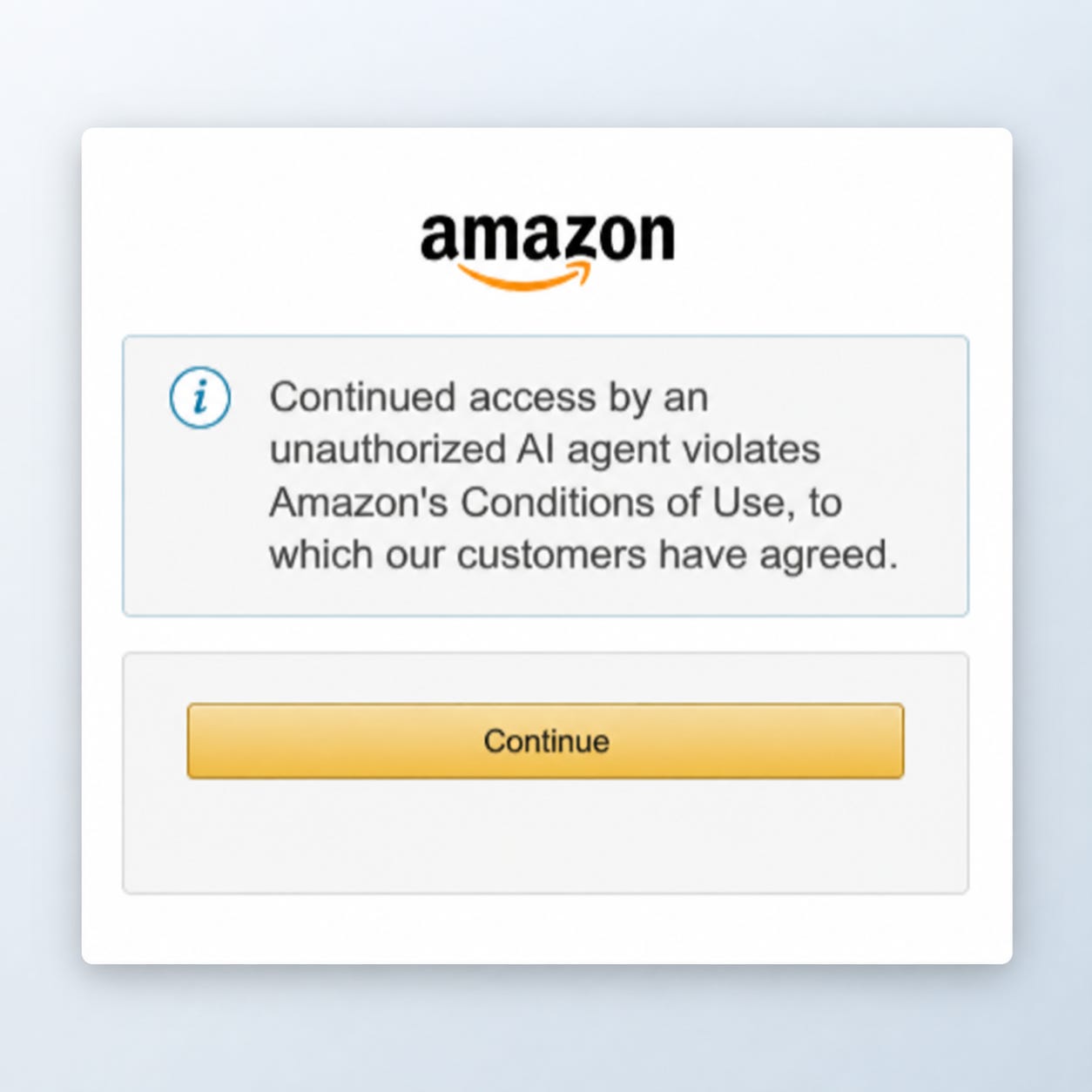
Amazon claims Meta never told it Muse would shop the store, the agent doesn’t identify itself, and it stores customer logins, which Meta disputes. Ultimately this logic makes no sense, do iPhones identify themselves? What about Windows computers? The user is an Amazon customer and asked for a thing on Amazon.
So what’s the real issue here? Advertising, agents like Muse bypass all the ads Amazon shoves in your results. My son wanted a LEGO jet for his birthday, can you find the one result that is NOT sponsored?
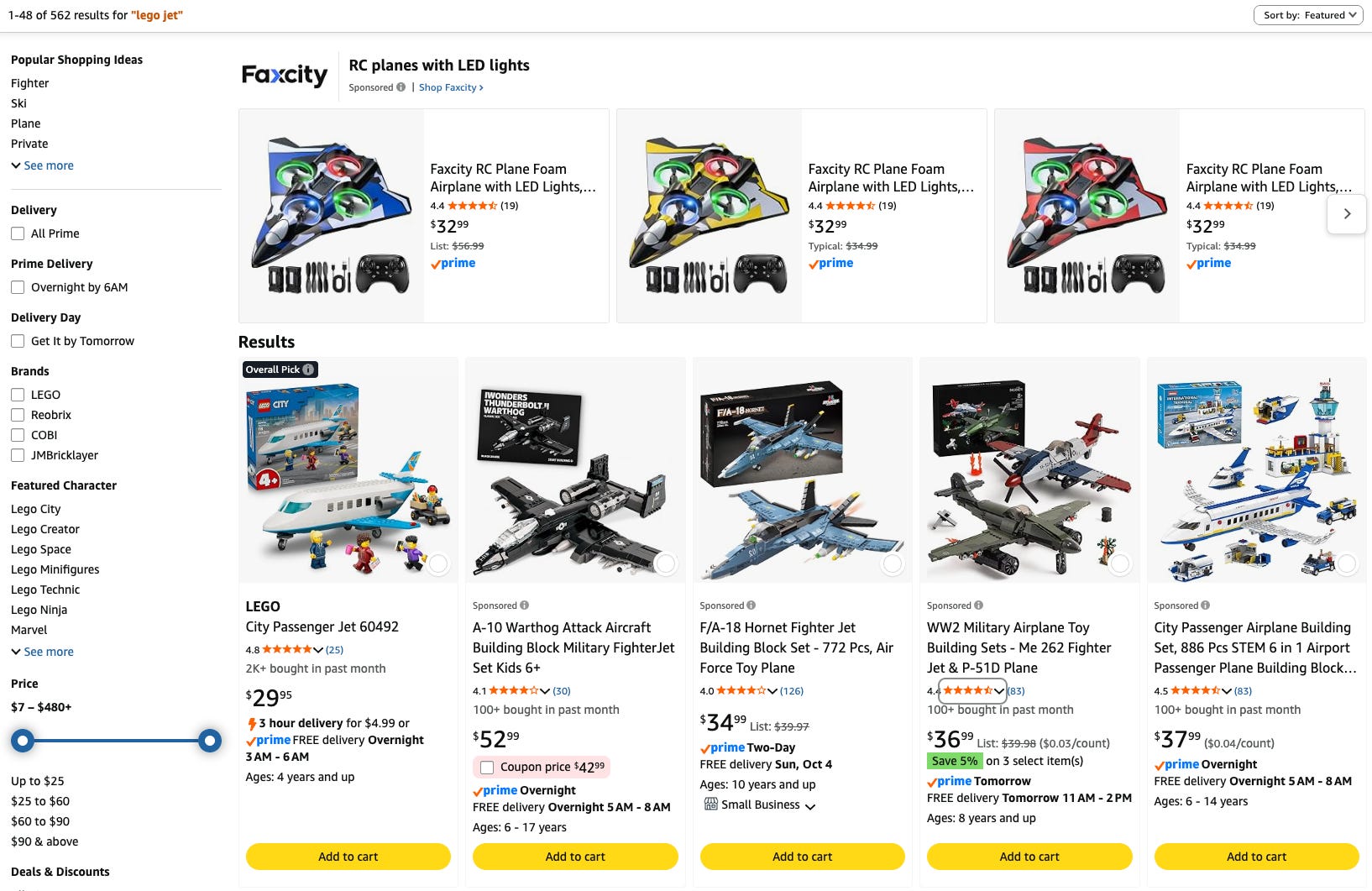
And why does Amazon compromise their user experience this much? Because it’s a monster business, bringing in $68.6 billion in 2025, up 22%, and an agent shopping toward a user’s goal would never see these.
But there are many retailers who will happily take this volume, and Meta signed Walmart, Best Buy, Wayfair and Sephora days later. Shopify and PayPal will handle checkout.
Walmart has reasons to be cautious, but what do they have to lose? It’s the same logic for jumping into OpenAI’s Instant Checkout early.
Apple ran this exact play when releasing the iPhone. In 2007, Verizon turned it down because Apple wanted control over distribution, the customer relationship and a cut of monthly bills. Cingular took the deal and gave Apple what US carriers had refused handset makers for years: no carrier logo, no control over the software and no preloaded apps. This flipped the power metric from telecom to mobile, but does Cingular care? They now have 30% mobile market share in the USA.
Same for Japan, Apple partnered with 3rd place SoftBank, and market leader DoCoMo lost up to 100,000 customers a month to SoftBank and KDDI before it finally got the iPhone in 2013.
Muse is hoping for the same with agents and retail, and if they pull it off, that’s bad news for Amazon’s margins, and for all of our prices. If advertising can’t subsidize our retail experience, what do you think will happen to prices?
OpenAI Ships Dots, the Muse Rival Most People Can’t Use
OpenAI launched dots on DevDay, an always-on agents that lives inside ChatGPT. Each dot runs on GPT-6 Astra, gets its own cloud computer, connects to more than 4,000 apps through OpenAI’s plugins, and keeps working toward your goals between conversations.
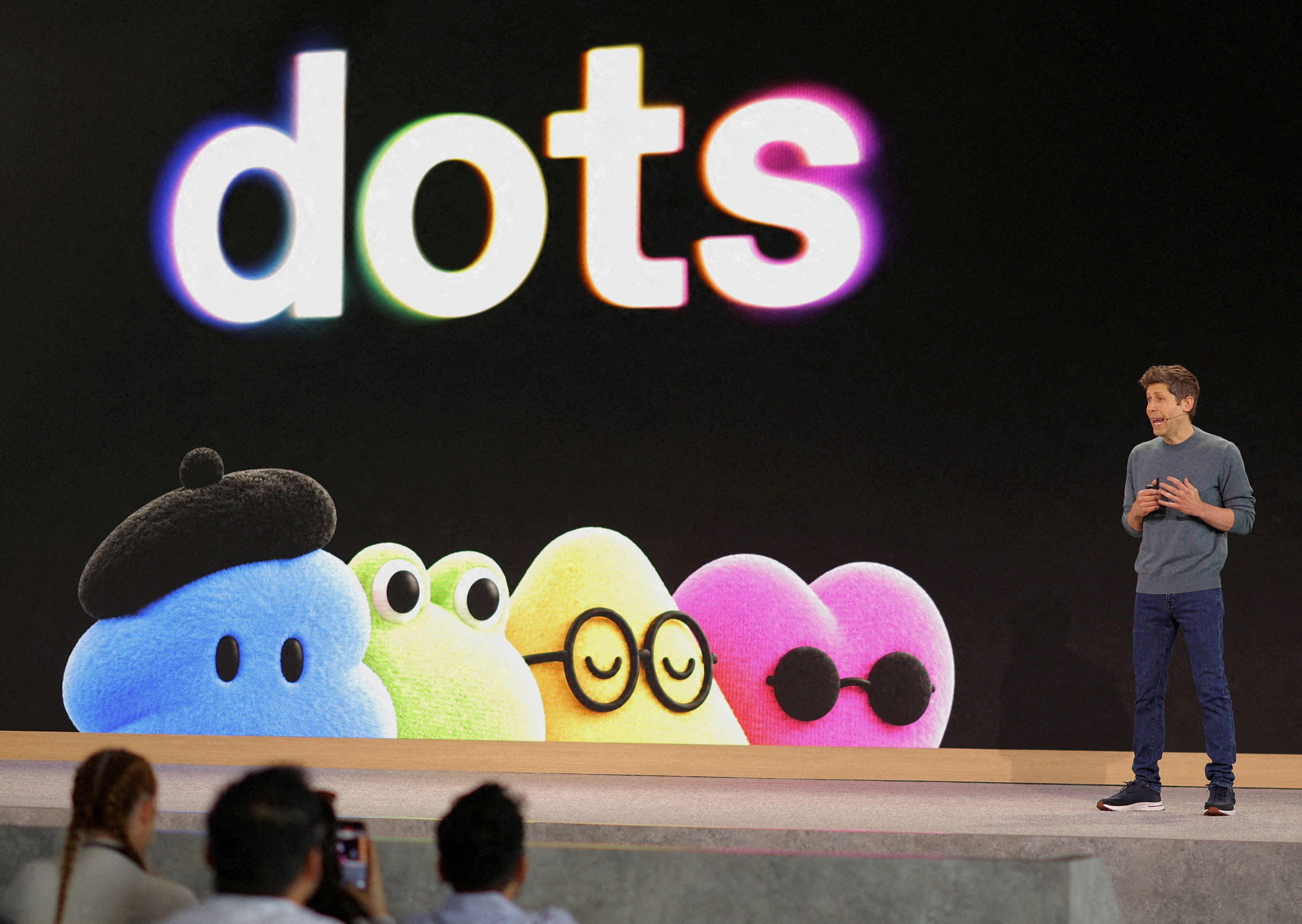
Most ChatGPT users can’t get a dot, but I’m not sure how many would try it. Pro and Business Premium subscribers can get them, but I haven’t even looked into it with my $200 Max plan. My current structure uses Astra for anything browsing related (like read my Google Search Console and Google Analytics) and Fable as coding organizer/planner, using GPT 5.6 Sol & Terra as the actual builders.
Altman’s team poked fun at using agents for simple errands, which I found pretty ridiculous and out of touch. Muse has been a godsend for reading all the school emails I get for my kids (over 30 in September), and telling me what action items I actually have in them. Like this one yesterday.

These simple errands are exactly what I want an always-on agent helping with. I don’t trust an agent to manage my builds and workloads without me, especially with OpenAI since they overscope everything. If anyone has a process that works, please share.
With that said, the vision for dots ties ChatGPT all together. OpenAI wants ChatGPT to be an agent that does your work, with a dot that tracks every project you have running, which you can message from Slack or call at any time.
The problem is OpenAI rolled chat, Codex and ChatGPT Work into one app before dots were ready. Users, including Codex users like me, have been confused for months before the payoff.
ChatGPT should have waited until they could roll this agent out to everyone for free, and since they didn’t, I’m assuming this was rushed in response to Meta’s success with Muse.
And while ChatGPT finds more compute so this can be free for everyone, Muse has a shot at being everyone’s first agent.
Meta Is Winning Consumer Agents & Risks It by Chasing Enterprise
It took Muse 10 days to become the number one free app on the US iPhone chart, ahead of ChatGPT, Gemini and Claude, with 2.5 million downloads in just two weeks.
Despite that, Meta is already distracting themselves by announcing the Meta Enterprise Platform, and hired MongoDB CEO CJ Desai to run it as Chief Enterprise Platform Officer, reporting to Zuckerberg. A day later came Muse for Small Business, which plugs into Asana, Zoom, Intuit, Box, Canva and Slack.
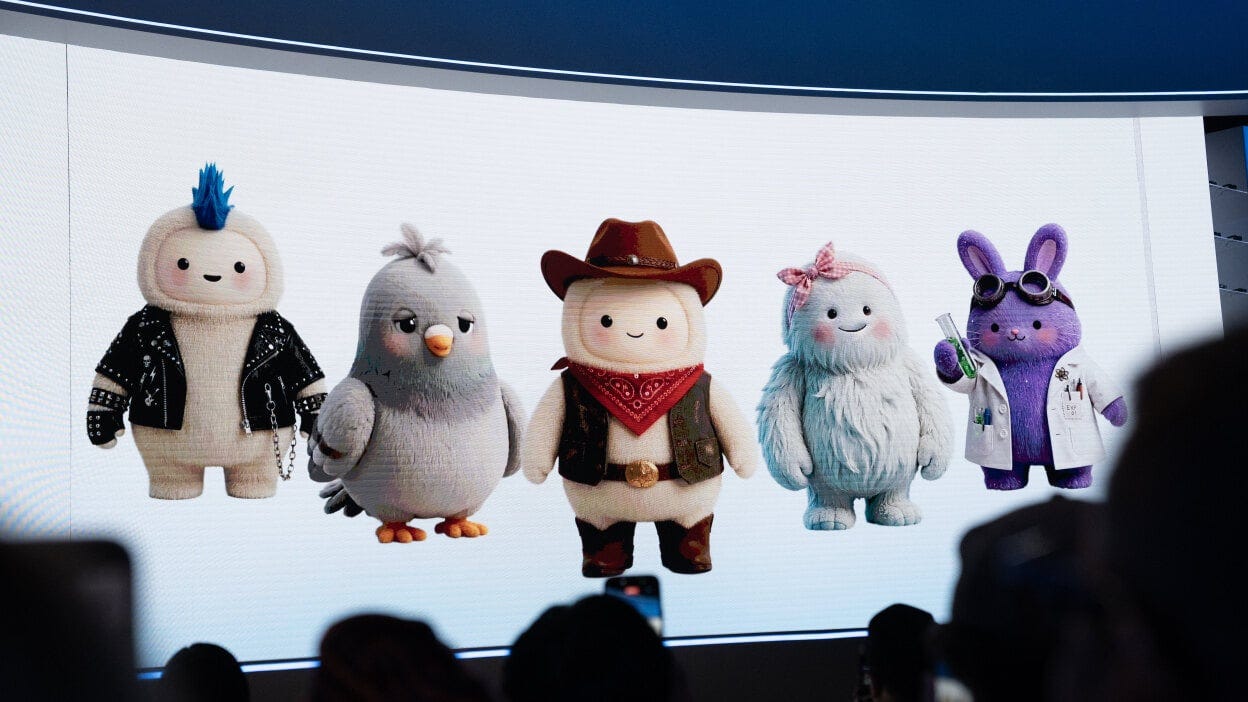

OpenAI’s enterprise pivot left the door wide open for Meta to take on the consumer (and Google, but where are they?), and their consumer agent hit number one on app store. With billions of users across Facebook, Instagram and WhatsApp, two decades of consumer product instincts, and new hardware to put Muse in front of people (it announced a batch of Muse-powered gadgetsat Connect). Muse has an incredible opportunity in front of them, yet instead are distracting themselves with an entirely different market.
Enterprise was already crowded with OpenAI, Anthropic, Google and Microsoft, and these enterprises already have questions about trusting Meta with their data. Being an enterprise person myself, it’s a completely different muscle. Just look at how long it took Google to start winning share in enterprise, and did that come at the expense of their consumer products like search?
Granted Meta has invested all of their cash flow in AI, but business decisions rarely work because you need to justify your budget. And if Meta wins consumer, every penny they invested in AI (and for Reality Labs, for that matter) will be totally worth it.
This Enterprise Platform turns Meta into a different company at the exact moment their consumer product is executing.
BTW Rocco is named after my favorite childhood baseball player, Rocco Baldelli of the Tampa Bay Rays